If you’ve ever stood next to a massive storage tank holding liquefied natural gas at a port, or watched an industrial pressure vessel sitting in a petrochemical plant, you’re looking at the end product of a material that most people never stop to think about: pressure vessel steel. For nearly two decades, I’ve run a small but specialized pressure vessel steel supply business, and over that time, I’ve seen how much this material has evolved. What once was just thick, tough steel designed to hold pressure without breaking is now a high-tech material, shaped by global demands, climate goals, and the urgent need for infrastructure that doesn’t just work now, but will work for generations to come. The trends driving pressure vessel steel development today aren’t just about making a steel that’s stronger or lighter—they’re about reimagining the entire material to fit a world that’s changing faster than ever before. Pressure Vessel Steel
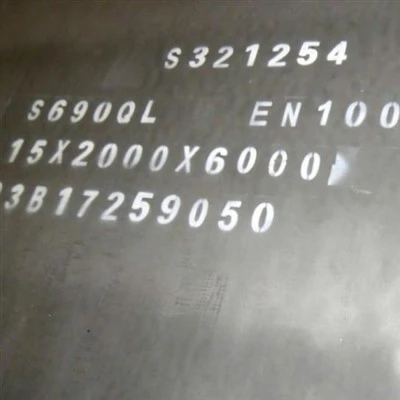
The biggest trend I’m seeing, and one that’s already changing how I source and supply steel to my clients, is the shift toward ultra-high strength pressure vessel steels. For decades, the go-to for heavy pressure applications was standard carbon steel or even low-alloy steel, which worked but required thick plates. When you use thicker steel, you end up with heavier tanks, more material waste during production, and higher transportation costs—every extra inch of steel adds hundreds of pounds to a vessel. Today, manufacturers are developing steels with higher yield and tensile strength, meaning they can hold the same pressure as older steels with a plate that’s 30% to 50% thinner. This has game-changing implications for industries like aerospace, where every pound of weight saves fuel, and for offshore wind, where pressure vessels installed on wind turbines need to be light enough to hoist 300 feet in the air but tough enough to withstand saltwater corrosion and extreme wind.
A few years ago, I supplied steel for a project with a regional petrochemical company that was replacing old hydrogen storage tanks. Back in the 1990s, those tanks were made with 2-inch thick carbon steel, weighed 40 tons each, and took weeks to fabricate. The new tanks used a high-strength low-alloy (HSLA) steel I started carrying two years ago—just 1.2 inches thick, weighed 22 tons, and cut their fabrication time by 25%. That’s not just a win for their budget; it’s a win for the planet too: less steel used means less iron ore mined, less energy consumed in the steel mill, and fewer emissions from transporting the lighter tanks to the site. I’ve noticed more and more refineries and chemical plants asking for this kind of steel now, and it’s not just about efficiency—they’re under pressure from regulators to cut their own carbon footprints, so using less raw material in core equipment is a quick, tangible step.
But ultra-high strength steel isn’t the only trend. Another big shift is toward advanced corrosion-resistant steels tailored for extreme operating conditions. For decades, generic corrosion-resistant alloys (CRAs) were the go-to for tanks holding chemicals or saltwater, but they’re expensive and often overkill for milder applications. Now, we’re seeing steels engineered specifically for the pressure vessel’s exact environment—whether that’s sour gas (which has high levels of hydrogen sulfide), liquefied petroleum gas (LPG), or deep-sea water for offshore oil and gas projects.
Last year, I worked with an offshore drilling company that was dealing with a big problem: their existing pressure vessels for injecting seawater into oil wells were corroding at twice the expected rate, thanks to high levels of bacteria in the deep-sea water that caused a type of corrosion called microbiologically influenced corrosion (MIC). The generic CRA they’d been using cost them $2 million in replacement costs in one year, plus thousands more in downtime. I connected them with a steel mill that had developed a specialized low-alloy steel with a small, precise addition of molybdenum and chromium, designed specifically to resist both MIC and the pressure of deep-sea injection. The new vessels made with this steel haven’t shown any corrosion after 12 months, and the steel cost was almost 40% less than the full CRA they were using before. That’s the kind of tailored solution clients are asking for now—they don’t want a one-size-fits-all steel; they want a steel that solves their specific problem, no more, no less.
As a supplier, I’ve also had to adapt to the growing demand for steel that can perform in extreme temperatures. Pressure vessels are used in places that get way hotter or way colder than most people realize: LPG storage tanks in the Arctic, for example, have to withstand temperatures as low as -60°F, while steam boilers in power plants often run at temperatures above 1,000°F. For a long time, if a vessel needed to work at very low or very high temperatures, you had to use expensive stainless steel or specialized alloy steels. Now, steel manufacturers are modifying the crystal structure of standard carbon and low-alloy steels to improve their temperature resistance, without the extra cost.
Two years ago, I supplied steel for a project building LPG transport trucks that will run routes through Alaska, where winter temperatures often drop to -50°F. The old steel used for these trucks would become brittle in that kind of cold, leading to cracks and leaks that are a major safety hazard. The new steel we carry is a modified HSLA steel with added nickel that keeps it tough at low temperatures, so the trucks don’t need expensive insulation or alloy liners. The transport company told me that this steel cut their annual maintenance costs for pressure vessel components by 40%, and reduced the risk of safety incidents related to cold brittleness. It’s a small change in the steel’s chemical makeup, but it’s made a huge difference for their operations.
Maybe the most important trend for pressure vessel steel development right now, though, is the drive toward sustainability and circularity. For years, steel was seen as a relatively green material, but the truth is that steel production accounts for about 8% of global carbon emissions. Pressure vessel steel is used in long-lifetime infrastructure—many pressure vessels are expected to last 20 to 30 years, some even longer—so the emissions from making that steel matter a lot over their lifecycle. As a supplier, I’ve seen more clients asking for steel that’s made from recycled materials, produced with low-carbon manufacturing processes, and designed to be recycled at the end of its life.
A big part of this is the push for hydrogen as a clean energy source. Governments around the world are investing billions in hydrogen as a way to decarbonize heavy industry and transportation, and pressure vessels are a core part of that infrastructure: storing hydrogen, transporting it, and using it in fuel cells. Hydrogen is tricky because it causes a problem called hydrogen embrittlement, where the hydrogen molecules seep into the steel and make it brittle, leading to cracks. For a long time, storing hydrogen required expensive specialized steels, but now manufacturers are developing low-carbon steels that resist hydrogen embrittlement, using recycled iron ore and green energy in production.
Last year, I started carrying a new line of pressure vessel steel specifically for hydrogen storage, made by a mill that runs on 100% wind and solar power. The steel is 90% recycled, and has been tested to withstand 700 bar of pressure (the standard for high-pressure hydrogen storage) without embrittlement. A renewable energy company that’s building a network of hydrogen refueling stations was one of my first clients for this steel, and they told me that using this low-carbon steel will cut the lifecycle emissions of their storage tanks by 75% compared to traditional steel. That’s not just a product for them—it’s a way to make their entire hydrogen business credible, because the emissions from the core equipment don’t undermine the whole point of hydrogen as a clean fuel.
Of course, none of these trends would matter if the steel didn’t keep up with safety standards. Pressure vessel steel has to meet extremely strict global codes, from ASME BPVC in the U.S. to ISO standards worldwide. I’ve worked with my steel suppliers for years to make sure every steel I carry is tested and certified, but lately, I’ve seen the codes themselves evolving to match the new steels. For example, as ultra-high strength steels become more common, regulators are updating testing protocols to make sure these steels don’t fail unexpectedly under pressure or extreme conditions. As a supplier, I’ve had to invest more in quality control, doing extra testing on every batch of steel I get, because clients and regulators are demanding more transparency about what’s in their pressure vessel components.
Working in this industry, I’ve seen how pressure vessel steel is the unsung backbone of almost every industrial sector—energy, chemicals, aerospace, transportation, even food and beverage. The trends shaping its development today aren’t just about making a better steel; they’re about making steel that can support the transition to a more sustainable, efficient, and safe world. It’s changed how I do business: instead of just sending clients a thick stack of steel plates, I now work with them to figure out exactly what conditions their pressure vessel will face, recommend the right steel that fits their budget, their sustainability goals, and their timeline.
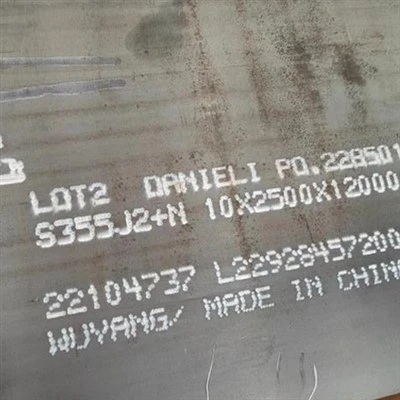
If you’re in the market for pressure vessel steel, whether for a new project, a replacement for old equipment, or a sustainability upgrade, I’m here to help. I’ve built my business on personalized service, not just generic supply, and I can walk you through the different options, test data, and certifications to find the right steel for your needs. Let’s connect to talk through your requirements, no obligation.
JIS Corten Steel References
- ASME Boiler and Pressure Vessel Code (BPVC) Section VIII, Division 1: Rules for Construction of Pressure Vessels, 2023 Edition
- International Energy Agency (IEA): The Future of Hydrogen, 2019
- World Steel Association: Steel and Climate Change, 2022
- NACE International: Corrosion Control for Pressure Vessels, 2021 Edition
- American Petroleum Institute (API): Standard 650, Welded Tanks for Oil Storage, 12th Edition
Gnee Steel (Tianjin) Co., Ltd.
As one of the most professional pressure vessel steel manufacturers and suppliers in China, we also support customized service with low price. We warmly welcome you to buy high quality pressure vessel steel in stock here from our factory. If you have any enquiry about free sample, please feel free to email us.
Address: No.4-1114, Beichen Building, Beicang Town, Beichen District, Tianjin, China
E-mail: alloy@gneesteelgroup.com
WebSite: https://www.chinavesselplates.com/
