Hey there, if you’ve been scrolling through exterior wall decor ideas lately, you’ve probably stumbled on posts about reflective materials for exteriors—mirror panels, polished metal finishes, even that crinkly retro-looking reflective vinyl stuff. I get the confusion, especially since I’ve had three different homeowners call me in the last two weeks asking the same exact thing: “Can I actually use reflective stuff on my exterior walls without messing something up?” Exterior Wall Decoration
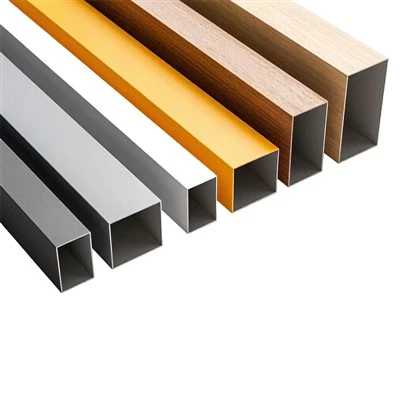
Full transparency: I’m the owner of a small exterior wall decor supply company, and I’ve been in this game for 12 years. Back in 2018, I watched a homeowner in downtown Austin test some cheap reflective vinyl on her 2-story townhouse, and it went sideways real fast. Her next-door neighbor ended up filing a noise complaint, and the HOA made her rip half of it off in 30 days. That’s the kind of messy, real-world stuff no Pinterest post tells you about, so let’s cut the fluff and answer the question straight: yes, you can use reflective exterior wall materials—but only if you pick the right type, install it correctly, and plan for the side effects.
First, let’s talk about why you’d even want reflective materials in the first place, because that’s half the battle. Not just for the “bling factor,” either. I’ve sent polished stainless steel panels to a café in Brooklyn that’s tucked between two 5-story brick buildings—they wanted to bounce natural light into their tiny front patio, which barely gets sun before 2pm in winter. It worked so well their waitstaff stopped using desk lamps out there, and they added another set of panels last year. We also did a sunroom addition for a guy in Phoenix who used reflective aluminum composite panels (ACP) on the upper wall of his sunroom to cut down on heat gain—he said his AC bill dropped $80 a month that first summer. Those are the wins, and they’re totally doable, but you’ve got to know the fine print.
The biggest mistake I see people making is grabbing any old reflective material from Amazon or a big box store. Not all reflectors are made for outside, and that’s a huge difference. Let’s break down the good, the bad, and the ugly when it comes to materials we actually supply.
First, the good stuff for exteriors: Polished stainless steel is my top pick for residential and commercial projects alike. It’s durable—rust-resistant, holds up to rain, snow, salt air if you’re near the coast, and it doesn’t fade in UV light. We offer it in different finishes too; if someone doesn’t want a super mirror-like glare, we sell a brushed finish that reflects light but not sharp, blinding images. I had a client in San Diego use that brushed stainless on their backyard pool house wall last year—their only issue was they had to adjust the angle so it didn’t bounce glare into their neighbor’s kids’ bedroom, which was a quick 10-minute install tweak.
Next, reflective metal composite panels (MCP) — not the cheap indoor ACP stuff, but the ones with a heavy-duty aluminum core and a UV-stabilized reflective coating. These are great for larger projects, like storefronts or multi-unit buildings, because they’re lightweight, easy to cut, and way more affordable than solid stainless. We did the exterior of a small boutique in Seattle a couple years back, and the panels have held up perfectly through constant rain and cloudy skies—they just pop with light even on gray days.
Then there’s the newer kid on the block: reflective ceramic coatings. Wait, no, not the stuff you put on your car—exterior-grade ceramic reflective tiles. These are super scratch-resistant, don’t chip, and are totally waterproof, which is a plus for places with heavy rain or hail. I sold a set of these to a homeowner in Tulsa after a hailstorm totaled their old brick wall—they wanted something that would bounce light and not show dents if another storm hits, and these have been solid for two years now.
Now the bad stuff to avoid at all costs: Indoor mirror glass that you’d use for a bathroom vanity. That breaks way too easily in outdoor temperatures—extreme heat in the summer makes it expand, cold winter makes it contract, and it’ll crack within a year. Cheap reflective vinyl stickers, too—those aren’t UV-stabilized, so they’ll peel, fade, and turn gummy after 12 months, max. I once did a free repair for a customer whose “super durable” reflective vinyl wall started falling off in sheets after the first hot summer—never again will I sell that for exterior use.
Now let’s talk about the big catch with reflective exterior walls: glare and light pollution. This is the part everyone overlooks until it’s too late. Back to that Austin homeowner I mentioned earlier—she used thin, glossy mirror panels that faced directly into her neighbor’s master bedroom. At 6pm in the summer, the sun would bounce right off those panels and straight into their window, keeping them up until midnight. The HOA got involved, and she had to cover half the panels with matte trim to fix it. So, how do you avoid that?
First, angle your panels strategically. If you’re using them on a side wall, don’t face them toward any neighboring windows, patios, or driveways. We always send install guides with our materials that show the optimal angle—usually 15 to 20 degrees off from vertical for side walls, so light bounces upward or to the side, not straight into people’s space. If you’re doing a front wall, consider a slightly dimmer finish, like semi-reflective stainless, instead of a full mirror. We also have a matte reflective option now, which is perfect for commercial buildings that want that modern look without the glare.
Another thing: heat gain. Wait, people usually think reflectors make things hotter, right? But that’s only if they face the sun directly. If you use reflective materials on a wall that’s in shade most of the day, they’ll actually keep the building cooler because they don’t absorb heat. But if you put them on a south-facing wall in a place like Arizona or Texas, you can run into issues. We had a client in Phoenix who wanted reflective panels on their south-facing garage, but we advised them against full reflect—instead, we did a mix of reflective and matte panels, which cut down on glare and kept the garage 10 degrees cooler than if it was all brick. It’s a tradeoff, not a one-size-fits-all rule.
What about HOA rules? Oh, that’s a huge one. Before you even order anything, check your local HOA guidelines, and if you don’t have an HOA, check your city’s zoning ordinances. Some places limit how reflective exterior walls can be, especially in residential neighborhoods. I once had a customer in Atlanta get denied a permit for reflective panels on their historic home—even though the panels were small, the historic district didn’t allow modern reflective materials. It’s always better to check first, because even if you love how it looks, no one wants to rip something off 6 months later because of a rule.
Now, let’s get into the nitty-gritty of installation, because even the best material will fail if it’s installed wrong. All of our exterior reflective materials come with heavy-duty mounting hardware—we don’t skimp on that, because we’ve seen what happens when people use regular screws instead of the stainless steel ones we supply. If you’re handy and want to DIY, that’s totally doable for small projects, like a accent wall for a shed or a small patio. But for larger walls, like a whole garage or a storefront, I always recommend hiring a professional. We have a network of vetted installers across the country that we can connect you with, and they know exactly how to set the panels to avoid glare, seal them properly so water doesn’t get behind them, and make sure they last.
Wait, let’s address a common myth: do reflective exterior walls damage plants? I’ve had that question a bunch. The short answer is, not usually—if you set them at the right angle. A couple years ago, a customer in Portland used reflective panels on the north side of their house to grow tomatoes; the panels bounced extra light onto their small garden, and their tomato yield was double the year before. But if you aim them directly at a garden bed, you can burn leaves, same as if you put a magnifying glass over a plant. So just angle them away from plants, or use a slightly less reflective finish, and you’re good.
So, putting it all together: yes, you can use reflective materials for exterior wall decoration, but only if you do it right. That means picking the right material (stainless steel, MCP, or ceramic tiles, not cheap mirror or vinyl), checking local rules and HOA guidelines first, planning for glare by angling panels and choosing the right finish, and installing it correctly, whether you do it yourself or hire a pro.
I’ve been doing this long enough to know that exterior wall decor isn’t just about making a space look pretty—it’s about making it work for you, without creating headaches for your neighbors or yourself. Reflective materials are an amazing tool for that—they can add modern style, save on energy bills, even help your garden grow—if you respect their quirks.

If you’re thinking about adding reflective materials to your exterior walls and want to chat through options, send our team a note. We can walk you through different materials, finishes, and installation tips based on your space, and make sure you avoid the mistakes I’ve seen people make over the years. No pressure, just honest advice, since that’s what got me this far in the business.
Wall Decoration References:
- U.S. Department of Energy. (2021). Cool Roofs and Reflective Surfaces: Benefits and Applications.
- International Code Council. (2022). Residential Exterior Cladding Materials and Installation Guidelines.
- National Association of Home Builders. (2020). Exterior Wall Materials: Durability, Performance, and Aesthetic Considerations.
- American Architectural Manufacturers Association. (2019). Performance Standards for Reflective Metal Composite Panels for Exterior Use.
- Environmental Protection Agency. (2022). Light Pollution Reduction Strategies for Residential and Commercial Properties.
Shanghai Senfon Technology Co., Ltd.
As one of the most professional exterior wall decoration manufacturers and suppliers in China, we also support customized service. We warmly welcome you to wholesale advanced exterior wall decoration in stock here from our factory. If you have any enquiry about quotation, please feel free to email us.
Address: No.6285 Hutai Road, Baoshan District, Shanghai
E-mail: 308970554@qq.com
WebSite: https://www.wufengtop.com/
