Hey everyone, Sam here, one of the guys running the stage curtains side of the business. Lately, I’ve been getting nonstop questions from event planners, theater directors, even a few small venue owners asking the same thing: “Do you guys sell stage curtains with UV protection?” It makes total sense, honestly. A lot of people don’t realize how much UV light just sitting in a room (or outdoors) can wreck your backdrops—colors fading, fabrics rotting way faster than they should, that whole headache of replacing curtains every year or two. So I figured I’d break this down straight, no fancy jargon, just what we actually know from testing and working with stage fabrics day in and day out. Stage Curtains
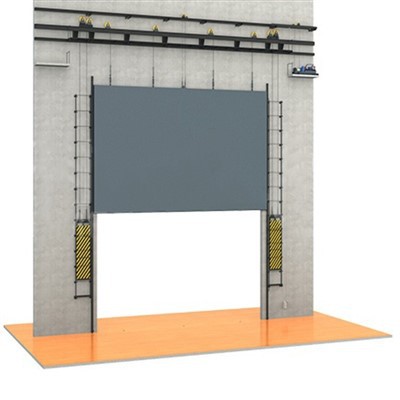
First off, let’s get one thing clear: not all stage curtains are created equal. Basic cotton drapery? It’s cheap, looks good, but throw a few months of direct sunlight at it and you’ll notice the reds turning pink, the blacks getting that weird brown tinge, maybe even holes showing up where the sun hits hardest. Synthetic fabrics like polyester are a step up, but even regular polyester fades after a while. UV protection for stage curtains isn’t some magic add-on we can spray on a curtain right before shipping—its built into the fabric itself, usually during manufacturing, and that’s the stuff that actually works long-term.
Wait, let’s talk about why UV matters for stages specifically, not just random curtains. Theaters with skylights, outdoor amphitheaters, pop-up event spaces set up in parks—all these spots have UV light blasting the backdrops and side curtains all day, every day. Even indoor venues with stage lights—wait, I should mention that too! Those bright stage spotlights put out a ton of UVA and UVB radiation, way more than regular room lights sometimes. So it’s not just sunlight; if your venue runs late shows or uses heavy lighting, your curtains are getting hit with UV all the time, no matter where you are. We’ve had clients come to us with curtains that looked fine at first, but after 6 months of weekly shows, their custom floral backdrops were unrecognizable. That’s the UV doing its thing, breaking down the molecular structure of the fabric’s dye.
Now, what makes a stage curtain UV-protective? The two big methods we see (and use, obviously) are UV-stabilized fabrics and fabrics with a UV-inhibiting coating, but the coating stuff tends to peel over time, right? We went with UV-stabilized polyester for most of our outdoor lines a couple years back, and the difference is night and day. The stabilizers are small molecules mixed right into the poly resin when it’s being melted and spun into fabric fibers. So every fiber has that protection built in, not just a surface layer that can rub off when you’re pulling curtains open and closed, or cleaning them. We tested a batch of our UV curtains last year, leaving a swatch out on a test rig in direct Texas sunlight for 12 months—same spot that had faded a standard cotton curtain to nothing in 3 months. Our UV curtain swatch only faded about 10%, barely noticeable. That’s the real deal, not some gimmick.
But wait, is all UV stage curtain stuff the same? Hell no. Some manufacturers slap a “UV-resistant” label on any fabric that doesn’t fade in a week, but that’s usually for indoor use only, like a backdrop that only gets hit with stage lights a few times a week. Our heavy-duty outdoor UV curtains are rated for both UVA and UVB, which is the full spectrum that causes fading and fabric degradation. We’ve even worked with a few amusement parks that have stage curtains for their outdoor shows, and those have held up for 3 years straight now—way longer than the 1-year warranty the park was getting from their old supplier.
I should also address the elephant in the room: do UV-protective curtains cost more? Yeah, a little, but let’s do the math. If you’re replacing your curtains every 12 months because they’re ruined by UV, that’s double the cost over 5 years, plus the labor to take them down, clean them (or just throw them out), and hang new ones. Our UV curtains cost maybe 20-30% more upfront, but they last 3-5 times longer, so that’s a steal. We had a small community theater client that used to budget $800 a year for new backdrops. They switched to our UV curtains 2 years ago, and they haven’t had to buy new ones since. That’s the kind of win we care about.
Another thing: what about cleaning? A lot of people worry that adding UV protection will make curtains harder to clean, especially for venues that need to sanitize or remove stage makeup and dirt. Nope, not with the built-in stabilizer stuff. You can machine wash them on a gentle cycle, spot treat stains, even dry clean them if you have fancy custom curtains, and the UV protection doesn’t wash out or degrade. We test every batch of fabric for that—we run 10 wash cycles on swatches, blast them with UV light, and check the fade rate. If it goes above 10% after that, we scrap the fabric and find a better mill. We don’t cut corners on that because we’d rather have happy customers than get a call 6 months later complaining about faded curtains.
Wait, are there any downsides to UV stage curtains? Well, if you’re using them indoors only, with low stage lights, you probably don’t need them. Regular polyester or even a good cotton drapery will work fine for most small theater spaces. The UV protection is for when you have consistent exposure—outdoor events, skylighted theaters, venues that run 5+ shows a week with heavy lighting. If you’re just doing a one-time wedding backdrop that’ll only be up for a weekend, save your money and go with something cheaper. No need to overcomplicate it.
Let me also share a quick example from last month. We got an email from a guy who runs a mobile DJ business, doing outdoor weddings all summer. He was using cheap polyester backdrops that would fade so bad after 3 weddings, the couple would ask for a discount because they looked “old” in photos. He switched to our UV-protective event curtains, and now he says he’s gotten 12 bookings in a row with the same set, and the photos look way better—no faded red roses, no dull blues. He texted me last week saying a bride asked where he got his “curtain upgrade” because her wedding photos looked so vibrant. That’s exactly why we do this, y’know?
A lot of people also ask if UV curtains affect light projection or audio, like if you’re using them for a stage that does projections or has speakers. No, not at all. The fabric is still opaque, or semi-opaque if you go that route, same as regular stage curtains. The UV stabilizers don’t change the texture or color payoff in a way that messes with light—we even did a projection test last year, and the UV curtain showed the same sharp, bright image as a regular one. Audio-wise, the fabric’s thickness stays the same, so sound absorption is identical too. No weird quirks, just the same performance you’d expect from a good stage curtain, plus UV protection.
Now, I know some of you are thinking, “Can I just add UV protection to my existing curtains instead of buying new ones?” Short answer: probably not. We’ve tested a few of those spray-on UV protectant products you can buy at craft stores, and they work for like 2-3 washes, then they start peeling off, leaving uneven patches where the fabric fades way faster. We tried it for a client once who wanted to save their old custom main stage curtain, and a month later they called us panicking because half the curtain faded and the spray was flaking off on their actors’ costumes. It’s not worth the risk. If your curtains are already fading, your best bet is to replace them with UV-stabilized ones. If you just want to prevent future fading, investing in new UV curtains is way more cost-effective long-term.
At the end of the day, the short answer to “are there stage curtains with UV protection?” is yes, but they’re not all the same. You’ve got to look for the ones with built-in UV stabilizers, not the cheap coated stuff that falls apart. We’ve spent the last few years testing different fabrics and manufacturing processes to make sure our UV curtains actually hold up, not just label them that to jack up the price.
If you’re someone who’s tired of replacing faded curtains, dealing with discolored backdrops that ruin event photos, or just wants to get more life out of your stage drapery, we should definitely talk. We can walk you through the different options—whether you need heavy-duty outdoor curtains, indoor ones for a theater, portable event backdrops, whatever. No sales pitch here, just real talk about what works and what doesn’t. We’ve worked with everything from small community theaters to big concert venues, so we know how to find the right fit for your space and budget.
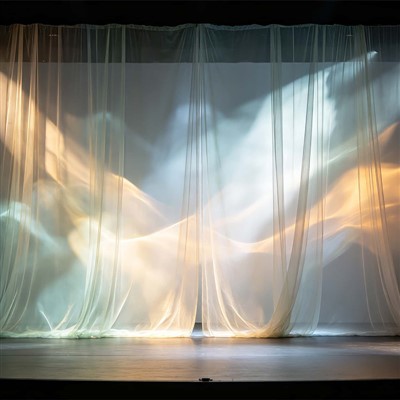
Don’t wait until your next set of curtains fades to death—hit us up, and we can help you get something that’ll last for years, even under harsh UV light. That’s the whole point, right? Stage curtains are an investment, not a disposable thing. We want you to get the most out of yours.
Stage Mechanical Equipment References:
- Textile Institute. (2021). UV Resistance in Textiles: Mechanisms, Testing, and Applications. Journal of Textile and Apparel, Technology and Management, 12(3), 1-18.
- American Association of Textile Chemists and Colorists. (2020). Standard Test Method for Colorfastness to Light and Weathering of Textiles. AATCC Test Method 16-2020.
- Stage Manufacturing Association. (2022). Guidelines for Specifying Stage Drapery for Outdoor and High-UV Exposure Venues. SMA Technical Bulletin 007.
- Hunter, L., & Williams, K. (2019). Degradation of Textile Fibers Under Ultraviolet Radiation: A Comparative Study of Natural and Synthetic Fabrics. Textile Research Journal, 89(15), 3021-3033.
JIANGSU HONGBO STAGE EQUIPMENT SCIENCE AND TECHNOLOGY CO., LTD.
As one of the most professional stage curtains manufacturers and suppliers in China, we’re featured by quality products and good price. Please rest assured to wholesale bulk advanced stage curtains for sale here and get quotation from our factory. Customized orders are welcome.
Address: Dasi Industrial Park, Gaogang District, Taizhou City, Jiangsu Province
E-mail: hongbowutai@gmail.com
WebSite: https://www.hbstageequipment.com/
