In the world of coatings, finding the right components can make all the difference in achieving the desired performance, durability, and aesthetic appeal. As a supplier of polyester polyols, I’ve witnessed firsthand the transformative impact these versatile materials can have on coating formulations. In this blog post, I’ll delve into the role of polyester polyols in coatings, exploring their unique properties, applications, and the benefits they bring to the table. Polyester Polyols

Understanding Polyester Polyols
Before we dive into their role in coatings, let’s first understand what polyester polyols are. Polyester polyols are a type of polymer that contains multiple hydroxyl (-OH) groups. They are typically synthesized through the reaction of dicarboxylic acids or anhydrides with diols or polyols. The resulting polyester polyols can have a wide range of molecular weights, structures, and functionalities, depending on the choice of raw materials and reaction conditions.
One of the key features of polyester polyols is their ability to form strong chemical bonds with other components in the coating formulation, such as isocyanates in polyurethane coatings. This crosslinking reaction creates a three-dimensional network structure that gives the coating its mechanical strength, hardness, and resistance to chemicals, abrasion, and weathering.
Role of Polyester Polyols in Coatings
Film Formation
Polyester polyols play a crucial role in the film formation process of coatings. When a coating is applied to a substrate, the polyester polyols act as a binder, holding together the other components of the coating, such as pigments, fillers, and solvents. As the solvent evaporates, the polyester polyols begin to crosslink with other reactive components, forming a continuous and durable film on the substrate surface.
The properties of the polyester polyols, such as their molecular weight, functionality, and chemical structure, can significantly influence the film formation process and the final properties of the coating. For example, higher molecular weight polyester polyols tend to form more rigid and brittle films, while lower molecular weight polyester polyols can result in more flexible and elastic films.
Adhesion
Good adhesion is essential for the performance of coatings, as it ensures that the coating remains firmly attached to the substrate over time. Polyester polyols can improve the adhesion of coatings to a variety of substrates, including metals, plastics, wood, and concrete. This is due to their ability to form strong intermolecular forces with the substrate surface, as well as their compatibility with other adhesion-promoting agents in the coating formulation.
In addition, the chemical structure of polyester polyols can be tailored to enhance their adhesion to specific substrates. For example, polyester polyols containing polar groups, such as hydroxyl or carboxyl groups, can have better adhesion to polar substrates, while those containing non-polar groups can be more suitable for non-polar substrates.
Chemical Resistance
Coatings are often exposed to a variety of chemical substances, such as acids, bases, solvents, and detergents, in their intended applications. Polyester polyols can provide excellent chemical resistance to coatings, protecting the substrate from corrosion, degradation, and staining.
The chemical resistance of polyester polyols is primarily determined by their chemical structure and the crosslinking density of the coating. Polyester polyols with high crosslinking density and a dense network structure are generally more resistant to chemical attack. In addition, the choice of raw materials used in the synthesis of polyester polyols can also affect their chemical resistance. For example, aromatic polyester polyols tend to have better chemical resistance than aliphatic polyester polyols.
Weather Resistance
Outdoor coatings are exposed to harsh environmental conditions, such as sunlight, rain, wind, and temperature changes, which can cause them to degrade over time. Polyester polyols can improve the weather resistance of coatings, protecting them from UV radiation, oxidation, and hydrolysis.
The weather resistance of polyester polyols is related to their chemical structure and the presence of UV stabilizers and antioxidants in the coating formulation. Polyester polyols with aromatic rings in their structure are more resistant to UV radiation than those with aliphatic structures. In addition, the addition of UV stabilizers and antioxidants can further enhance the weather resistance of coatings.
Flexibility and Impact Resistance
In some applications, coatings need to have good flexibility and impact resistance to withstand mechanical stress and deformation. Polyester polyols can be formulated to provide the desired level of flexibility and impact resistance to coatings.
The flexibility of polyester polyols is determined by their molecular weight, chemical structure, and the degree of crosslinking. Lower molecular weight polyester polyols and those with a more flexible chemical structure can result in more flexible coatings. In addition, the addition of plasticizers or other modifiers can further improve the flexibility and impact resistance of coatings.
Applications of Polyester Polyols in Coatings
Automotive Coatings
Polyester polyols are widely used in automotive coatings, including primers, basecoats, and clearcoats. In primers, polyester polyols provide good adhesion to the metal substrate and corrosion protection. In basecoats, they contribute to the color and appearance of the coating, as well as its durability and chemical resistance. In clearcoats, polyester polyols provide high gloss, scratch resistance, and weather resistance.
Industrial Coatings
Industrial coatings are used to protect and decorate a wide range of industrial equipment and structures, such as machinery, pipelines, tanks, and bridges. Polyester polyols are commonly used in industrial coatings due to their excellent chemical resistance, weather resistance, and mechanical properties. They can be formulated into various types of coatings, such as epoxy-polyester hybrid coatings, polyurethane coatings, and powder coatings.
Architectural Coatings
Architectural coatings are used to protect and enhance the appearance of buildings and other structures. Polyester polyols can be used in architectural coatings, such as exterior wall paints, interior wall paints, and floor coatings. They provide good adhesion, weather resistance, and durability, as well as a wide range of colors and finishes.
Wood Coatings
Wood coatings are used to protect and decorate wood surfaces, such as furniture, cabinets, and flooring. Polyester polyols are commonly used in wood coatings due to their good adhesion to wood, scratch resistance, and water resistance. They can be formulated into various types of wood coatings, such as lacquers, varnishes, and stains.
Benefits of Using Polyester Polyols in Coatings
Versatility
One of the main benefits of using polyester polyols in coatings is their versatility. They can be formulated to meet a wide range of performance requirements, depending on the specific application. For example, they can be used to produce coatings with different levels of hardness, flexibility, chemical resistance, and weather resistance.
Cost-Effectiveness
Polyester polyols are generally more cost-effective than some other types of polyols, such as polyether polyols. This makes them a popular choice for coatings manufacturers who are looking to produce high-quality coatings at a reasonable cost.
Environmental Friendliness
Many polyester polyols can be formulated to be environmentally friendly, as they can be free of solvents, heavy metals, and other harmful substances. This makes them suitable for use in applications where environmental regulations are strict, such as in the automotive and architectural industries.
Compatibility
Polyester polyols are compatible with a wide range of other components in coating formulations, such as pigments, fillers, solvents, and curing agents. This allows for easy formulation and customization of coatings to meet specific performance requirements.
Conclusion
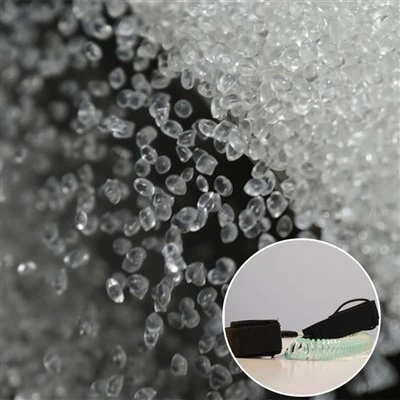
In conclusion, polyester polyols play a vital role in the coatings industry. Their unique properties, such as film formation, adhesion, chemical resistance, weather resistance, and flexibility, make them an essential component in a wide range of coating applications. Whether you’re in the automotive, industrial, architectural, or wood coatings sector, polyester polyols can help you achieve the desired performance and quality in your coatings.
Polyester TPU As a supplier of polyester polyols, I’m committed to providing high-quality products and excellent customer service. If you’re interested in learning more about how our polyester polyols can enhance your coating formulations, or if you’re looking to start a procurement discussion, please feel free to reach out. Our team of experts is here to assist you in finding the right solutions for your specific needs.
References
- “Polyurethane Coatings: Chemistry, Technology, and Applications” by Zeno W. Wicks Jr., Frank N. Jones, and S. Peter Pappas.
- “Coating Technology Handbook” by Edward D. Weil and Paul A. Howell.
- Journal articles on the research and development of polyester polyols in coatings from scientific databases such as ACS Publications and Elsevier.
Singbon New Materials(Shandong) Co., Ltd.
With abundant experience, we are one of the most reliable polyester polyols manufacturers and suppliers in China. We warmly welcome you to wholesale advanced polyester polyols at low price from our factory. If you have any enquiry about quotation and free sample, please feel free to email us.
Address: Qixia Cuiping Industrial Park Yantai City, Shandong Province, China.
E-mail: DBG1@singbonpu.com
WebSite: https://www.tpusingbon.com/
