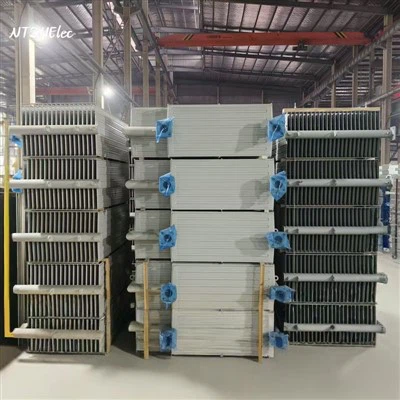
Hey there! I’m a supplier of power transformer oil tanks, and today I wanna talk about how to test the quality of the oil in a power transformer oil tank. It’s a super important topic, ’cause the quality of the oil directly impacts the performance and lifespan of the transformer. Power Transformer Oil Tank
Why Testing Transformer Oil Quality Matters
First off, let’s chat about why testing the oil quality is such a big deal. The oil in a power transformer does a couple of key jobs. It acts as an insulator, stopping electrical currents from going where they shouldn’t. It also helps to cool down the transformer by carrying away the heat generated during operation. If the oil quality drops, it can lead to all sorts of problems. Insulation breakdown might happen, which can cause short – circuits and damage to the transformer. Plus, poor – quality oil won’t cool the transformer as well, leading to overheating and a shorter lifespan for the equipment.
Visual Inspection
One of the simplest ways to start testing the oil is through a visual inspection. You don’t need any fancy equipment for this one. Just take a sample of the oil in a clear container. Shine a light through it and check for any signs of dirt, debris, or discoloration. If the oil looks cloudy or has particles floating in it, that’s a red flag. The oil should be clear and have a consistent color. Usually, new transformer oil is a pale, amber – like color. If it’s turning dark or has a milky appearance, it could mean there’s water contamination or oxidation going on.
Water Content Testing
Water is the enemy of transformer oil. Even small amounts can really mess things up. There are a few ways to test for water content. One common method is the Karl Fischer titration. This is a pretty accurate way to measure how much water is in the oil. You take a sample of the oil and use a special Karl Fischer reagent in a titrator. The titrator then measures the amount of reagent needed to react with all the water in the sample, giving you an exact water content figure.
Another option is the use of moisture meters. These are handheld devices that you can stick right into the oil. They measure the dielectric constant of the oil, which changes depending on the water content. Moisture meters are quick and easy to use, but they might not be as accurate as Karl Fischer titration, especially for very low water content levels.
Dielectric Strength Testing
The dielectric strength of the oil tells you how well it can withstand electrical stress without breaking down. To test this, you use a dielectric strength tester. You take a sample of the oil and put it in a test cell with two electrodes. Then, you gradually increase the voltage between the electrodes until the oil breaks down and conducts electricity. The voltage at which this occurs is the dielectric strength of the oil.
A healthy transformer oil should have a high dielectric strength. If the dielectric strength is low, it means the oil’s insulating properties are weak, and there’s a higher risk of electrical breakdown in the transformer.
Dissolved Gas Analysis (DGA)
Dissolved gas analysis is a really important test. Transformers generate heat during normal operation, and sometimes, there can be electrical arcing or other faults. These events cause the oil to break down chemically, releasing certain gases. By analyzing the gases dissolved in the oil, you can figure out what’s going on inside the transformer.
You take an oil sample and use a gas chromatograph to separate and analyze the different gases present. Common gases that are looked for include hydrogen, methane, ethane, ethylene, and acetylene. Different patterns of gas concentrations can indicate different types of problems. For example, high levels of hydrogen and methane might suggest overheating, while the presence of acetylene could mean there’s electrical arcing.
Oxidation Stability Testing
Over time, transformer oil can oxidize when it’s exposed to oxygen and heat. Oxidation leads to the formation of acids, sludge, and other unwanted by – products. To test the oxidation stability of the oil, you use an oxidization stability tester.
The test usually involves heating the oil sample in the presence of oxygen and a catalyst for a set period of time. After that, you measure the amount of acids and other oxidation products that have formed. If there’s a significant amount of oxidation, it means the oil’s quality is deteriorating, and it might need to be replaced or treated.
Interfacial Tension Testing
Interfacial tension is all about the oil’s ability to separate from water. When there’s water in the oil, the interfacial tension between the oil and water phases can give you an idea of how well the oil will be able to keep the water from causing problems.
To test the interfacial tension, you use an interfacial tensiometer. You create an oil – water interface in the tensiometer and measure the force required to separate the two phases. A high interfacial tension means the oil and water have a good tendency to separate, which is what you want. If the interfacial tension is low, it could mean that the oil has been contaminated with emulsifiers or other substances that make it harder for the water to separate out.
Regular Testing Schedule
It’s not enough to just test the oil once. You need to have a regular testing schedule. For a new transformer, it’s a good idea to test the oil soon after installation to establish a baseline. Then, depending on the transformer’s usage and operating conditions, you might test the oil every six months to a year.
If the transformer is in a harsh environment, like a place with high temperatures, high humidity, or a lot of electrical activity, you might want to test the oil more frequently. Regular testing helps you catch any problems early, so you can take corrective action before they turn into major issues.
Working with a Reliable Supplier
As a power transformer oil tank supplier, I know the importance of high – quality oil. Using good – quality oil is half the battle, and it makes testing a lot easier. When you’re sourcing the oil for your transformer, make sure you’re working with a reliable supplier. A good supplier will provide you with oil that meets the industry standards and comes with a detailed quality report.
In addition to the oil, the design and quality of the oil tank also matter. A well – designed oil tank can help protect the oil from contaminants and ensure proper circulation. That’s where we come in! We’ve been in the business of supplying power transformer oil tanks for a while, and we take pride in our products. Our oil tanks are built to last, with high – quality materials and excellent craftsmanship.

If you’re looking for a power transformer oil tank for your next project or need some advice on oil testing, don’t hesitate to reach out. We can offer you customized solutions based on your specific needs. Whether you need a small – scale tank for a local sub – station or a large – scale one for a major power plant, we’ve got you covered.
Transformer Oil Tank Contact us for more information and to start a discussion about your requirements. We’re always happy to talk to potential customers and help find the best solutions for your power transformer needs.
References
- Electrical Power Transformer Testing Guide. Electrical Engineering Handbook.
- Understanding Transformer Oil Testing. IEEE Transactions on Power Delivery.
- Guidelines for Transformer Oil Maintenance and Testing. International Electrotechnical Commission (IEC).
Nantong Zhihe Electric Co., Ltd.
As one of the most professional power transformer oil tank manufacturers and suppliers in China, we’re featured by quality products and low price. Please rest assured to wholesale cheap power transformer oil tank made in China here from our factory. Customized orders are welcome.
Address: NO.202 Jianghai West Road, Hai’an Town, Hai’an City, Jiangsu Province
E-mail: colt.ntzh@gmail.com
WebSite: https://www.ntzhelectric.com/
