Can I install a Special Socket myself?
As a supplier of special sockets, I often get asked by customers whether they can install these specialized electrical components on their own. This is a valid and important question, as the proper installation of special sockets is crucial for both safety and functionality. In this blog post, I’ll delve into the factors you need to consider when deciding if a DIY installation of a special socket is a viable option for you. Special Socket
Understanding Special Sockets
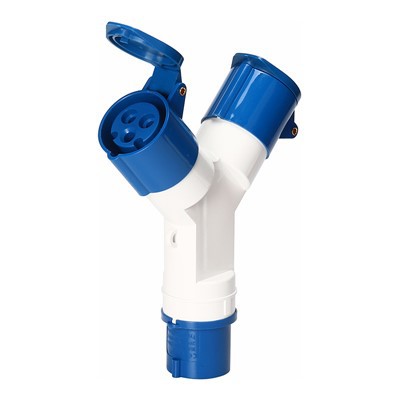
Before we discuss the installation process, it’s essential to understand what special sockets are. Special sockets are not your standard electrical outlets found in most homes. They are designed to meet specific requirements, such as high – voltage applications, specialized equipment connections, or environments with unique safety needs like moisture – resistant areas.
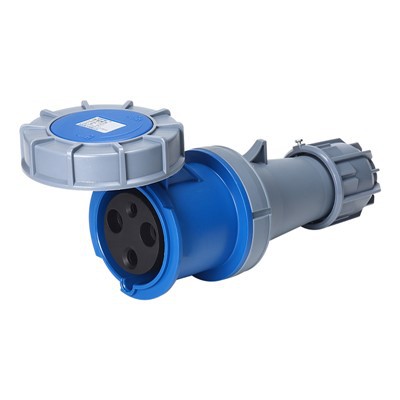
For instance, in industrial settings, special sockets may be used to connect heavy – duty machinery. These sockets are built to handle high amperage and voltage, and they often have additional safety features like locking mechanisms to prevent accidental disconnection. In a laboratory, a special socket might be designed to provide a stable and interference – free power supply for sensitive scientific equipment.
Skills and Knowledge Required
The first and most critical factor in determining if you can install a special socket yourself is your level of electrical knowledge and skills. A basic understanding of electrical circuits, wiring diagrams, and safety procedures is a must. If you’ve never worked with electrical systems before, attempting to install a special socket can be extremely dangerous.
You need to know how to identify the correct wires, understand the electrical load requirements of the socket, and ensure proper grounding. For example, in a high – voltage special socket installation, improper grounding can lead to electrical shocks, fires, or damage to connected equipment.
If you’re familiar with basic DIY electrical projects around the house, such as changing a light fixture or installing a simple outlet, you might have a foundation. However, special sockets often involve more complex wiring and safety considerations. For instance, some special sockets require multiple phases of electrical power, which is a more advanced concept than single – phase wiring in a typical home circuit.
Safety Considerations
Safety should always be the top priority when working with electricity. Special sockets can pose significant risks if installed incorrectly. Electrical shock is one of the most obvious dangers, but there are also risks of short circuits, overheating, and fires.
Before starting any installation, make sure to turn off the power supply at the circuit breaker. Use a voltage tester to confirm that the power is indeed off. Wear appropriate personal protective equipment (PPE), such as insulated gloves and safety glasses.
Moreover, special sockets may be subject to specific safety codes and regulations. These codes are in place to ensure the safety of the users and the proper functioning of the electrical system. In some areas, professional installation may be required by law for certain types of special sockets, especially those used in commercial or industrial settings.
Tools and Equipment
Installing a special socket requires the right tools and equipment. You’ll need basic electrical tools like wire strippers, pliers, screwdrivers, and a voltage tester. However, depending on the type of special socket, you may also need more specialized tools.
For example, if the socket has a locking mechanism, you may need a special key or tool to install it correctly. In some cases, you may need to use a torque wrench to ensure that the connections are tightened to the proper specifications. Using the wrong tools can lead to loose connections, which can cause overheating and other safety hazards.
Checking Compatibility
Another important aspect is to ensure that the special socket you’re installing is compatible with your existing electrical system. You need to check the voltage, amperage, and phase requirements of the socket and compare them with your electrical supply.
If the socket is not compatible, it can cause damage to the socket, the connected equipment, or even the entire electrical system. For example, if you install a high – voltage socket in a low – voltage circuit, it may not function properly, and the socket could overheat or fail.
DIY Installation Steps (if applicable)
Assuming you have the necessary skills, knowledge, and tools, here are the general steps for installing a special socket:
- Prepare the Area: Clear the installation area of any debris or obstacles. Make sure the surface where the socket will be installed is clean and stable.
- Turn Off the Power: Locate the appropriate circuit breaker and turn off the power to the area where the socket will be installed. Test the wires with a voltage tester to ensure there is no power.
- Remove the Old Socket (if applicable): If you’re replacing an existing socket, carefully remove the old socket from the wall or panel. Disconnect the wires from the old socket, making note of which wire is connected to which terminal.
- Install the New Socket: Follow the manufacturer’s instructions to install the new special socket. Connect the wires to the appropriate terminals on the socket. Make sure the connections are tight and secure.
- Mount the Socket: Once the wires are connected, mount the socket in the desired location. Use the appropriate screws or mounting hardware to secure it.
- Turn On the Power: After the socket is installed, turn on the power at the circuit breaker. Test the socket with a suitable electrical device to ensure it is working properly.
When to Call a Professional
Despite your best efforts, there are situations where it’s best to call a professional electrician. If you’re unsure about any aspect of the installation, such as the wiring requirements or safety procedures, it’s better to play it safe and hire an expert.
If the special socket is being installed in a commercial or industrial setting, professional installation is often required by codes and regulations. Additionally, if the installation involves complex electrical systems or high – voltage applications, a professional electrician has the experience and knowledge to handle the job safely and correctly.
Conclusion
In conclusion, the question of whether you can install a special socket yourself depends on various factors, including your electrical knowledge and skills, access to the right tools, and the complexity of the installation. While it may be possible to install some special sockets on your own if you have the necessary expertise, it’s important to prioritize safety and comply with relevant codes and regulations.
Wall Mount Industrial Socket As a supplier of special sockets, I’m always here to provide support and guidance. Whether you’re considering a DIY installation or need help finding a professional electrician, feel free to reach out to us. We are committed to helping you make the right decisions for your electrical needs. If you’re interested in purchasing our special sockets or have any questions regarding their installation, don’t hesitate to contact us. We look forward to discussing your requirements and providing you with the best solutions.
References
- National Electrical Code (NEC)
- Electrical Installation Standards Handbook
- Manufacturer’s Manuals for Special Sockets
Zhejiang Hefeng Electric Co., Ltd.
Address: Wenzhou Daqiao Industrail Park, Beibaixiang Town, Yueqing City, Zhejiang Province, China
E-mail: hefengplug@chinahfe.com
WebSite: https://www.hfcee.com/
