Hey there! I’m a supplier of bentonite, and I’ve been getting a lot of questions lately about what role bentonite plays in the production of synthetic rubber. So, I thought I’d take a few minutes to share some insights with you. Bentonite

First off, let’s talk a bit about synthetic rubber. It’s a man – made material that’s used in a whole bunch of different products, from tires to hoses, seals, and gaskets. Synthetic rubber has some great properties, like good elasticity, resistance to wear and tear, and the ability to withstand different environmental conditions.
Now, let’s get into the role of bentonite in this process. Bentonite is a type of clay that’s rich in montmorillonite. It has some unique properties that make it super useful in synthetic rubber production.
Reinforcement
One of the main roles of bentonite in synthetic rubber is reinforcement. When you add bentonite to the rubber compound, it acts like a sort of internal support system. The platelets in bentonite can disperse evenly throughout the rubber matrix. These platelets have a large surface area, and they can form strong bonds with the rubber molecules.
This reinforcement helps to improve the mechanical properties of the synthetic rubber. For example, it can increase the tensile strength of the rubber. Tensile strength is how much force the rubber can withstand before it breaks. With bentonite, the rubber can handle more stress, which is really important in applications like tires. Tires need to be able to handle the weight of the vehicle, the friction from the road, and all sorts of other forces.
It also enhances the tear resistance of the rubber. Tear resistance is how well the rubber can resist being torn apart. In products like hoses and seals, tear resistance is crucial. If a hose tears, it can lead to leaks, which can be a big problem in industrial or automotive applications.
Processing Aid
Bentonite also serves as a processing aid in synthetic rubber production. During the mixing process, rubber compounds can be pretty sticky and difficult to handle. Bentonite helps to reduce the viscosity of the rubber compound. Viscosity is basically how thick and sticky a substance is.
When the viscosity is lower, it’s easier to mix the different ingredients together. This means that the mixing process can be more efficient, and the resulting rubber compound will be more homogeneous. A homogeneous compound means that all the ingredients are evenly distributed, which leads to more consistent properties in the final product.
It also helps with the extrusion process. Extrusion is when the rubber compound is forced through a die to create a specific shape, like a hose or a seal. Bentonite can improve the flow properties of the rubber during extrusion, making it easier to get the desired shape without any defects.
Cost – effectiveness
Another great thing about using bentonite in synthetic rubber production is cost – effectiveness. Bentonite is a relatively inexpensive material compared to some of the other additives that can be used in rubber production.
By using bentonite, manufacturers can reduce the amount of more expensive additives they need to use while still achieving good performance. This can lead to significant cost savings in the long run, which is always a plus for businesses.
Heat Resistance
Synthetic rubber often needs to be able to withstand high temperatures, especially in applications like automotive engines or industrial machinery. Bentonite can help improve the heat resistance of the rubber.
The structure of bentonite can act as a barrier to heat transfer. It can slow down the rate at which heat is transferred through the rubber, which means that the rubber can maintain its properties at higher temperatures. This is really important for ensuring the longevity and performance of rubber products in high – temperature environments.
Compatibility
Bentonite is also highly compatible with different types of synthetic rubbers. Whether it’s styrene – butadiene rubber (SBR), nitrile rubber (NBR), or ethylene – propylene – diene monomer (EPDM) rubber, bentonite can be easily incorporated into the rubber compound.
This compatibility means that manufacturers can use bentonite across a wide range of synthetic rubber products without having to worry about any major compatibility issues. It gives them more flexibility in their production processes.
Environmental Benefits
In today’s world, environmental concerns are a big deal. Bentonite is a natural material, which means it’s more environmentally friendly compared to some synthetic additives.
When it comes to the disposal of rubber products, bentonite – containing rubber is more likely to break down over time compared to rubber with some other additives. This can reduce the environmental impact of rubber waste.
So, as you can see, bentonite plays a really important role in the production of synthetic rubber. It offers a whole bunch of benefits, from reinforcement and processing improvements to cost – effectiveness and environmental friendliness.
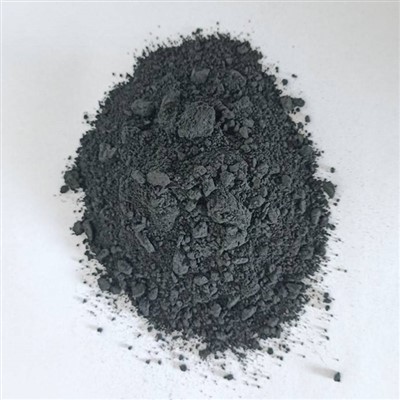
If you’re in the business of producing synthetic rubber and you’re looking for a high – quality bentonite supplier, I’d love to have a chat with you. Whether you have questions about the right type of bentonite for your specific application or you’re interested in getting a quote, don’t hesitate to reach out. We’ve got a great range of bentonite products that can meet your needs, and we’re always happy to provide support and advice.
Cat Litter Let’s work together to make your synthetic rubber production more efficient and cost – effective.
References
- "Rubber Technology Handbook" by Werner Hofmann
- "Clay Minerals and Their Modifications for Use in Polymer Nanocomposites" by Rina Chakraborty and Biman B. Mandal
- Journal of Applied Polymer Science articles related to bentonite in rubber production
Lingshou County LM Mineral Products Co., Ltd.
As one of the most professional bentonite manufacturers and suppliers in China, we’re featured by quality products and good service. Please rest assured to buy customized bentonite made in China here from our factory. Contact us for more details.
Address: Dongzhuang Village, Nanyanchuan Township, Lingshou County, Shijiazhuang City, Hebei Province
E-mail: lmwtwz@163.com
WebSite: https://www.lmwtz.com/
