When you run a side-open pick up truck supply business, I get asked this question all the time: “What exact tire requirements do your trucks need?” It’s not just slapping any old tire on the back, y’know? These side-open models are built for way more than just cruising suburban streets—they’re hauling construction materials, farm gear, even heavy cargo across rutted worksites. Skimping on tires here doesn’t just mean premature blowouts; it can stall a whole job, cost you downtime, or even be a total safety hazard. Let me break down the real, actionable specs we drill into every truck we send out, from what makes a tire right for side-open pick ups, to the small tweaks that make all the difference. Side-open Pick Up Truck

First off, you can’t treat a side-open pick up like a standard half-ton work truck. The whole point of our models is that deep, easily accessible cargo bed—they’re designed for 20-30% higher payload capacity than your average daily driver. That means your tires can’t handle the standard 3,000-pound load rating; we recommend at least a load range E tire, minimum. Wait, let’s make that clear: load range is that letter stamped on the sidewall, right? It tells you the max weight a single tire can safely carry at the recommended pressure. A standard passenger tire (load range S or C) is only built for light commutes, not hauling 4,000 pounds of lumber or farm fencing on a regular basis. I’ve seen clients try to save a few bucks with lower load range tires, and within a month they’re calling us saying they got a blowout on a dirt road outside the city. Don’t do that math—saving $20 per tire ends up costing way more than the upgrade.
Next, terrain-specific tread is non-negotiable, depending on where you’re running these trucks. A lot of our side-open pick ups go to construction crews, and those sites are full of loose gravel, mud, and sharp rebar bits. An all-season highway tire? It’ll slide on loose gravel, and that thin tread will wear through in three months. We typically suggest an all-terrain (AT) tire with a 10-12 inch deep tread block, spaced at least 0.5 inches apart. That gap lets mud and gravel clear out instead of getting packed in, which keeps traction up and prevents the tire from “squirming” under heavy load. For clients out in rural areas with farm fields or unpaved access roads, we go a step further with mud-terrain (MT) tires—they have even deeper, more aggressive tread and stiffer sidewalls to handle impacts from rocks or ruts. The catch here is MT tires are a no-go if you’re mostly driving on paved roads; their loud noise will drive you crazy on the highway, and they wear way faster on asphalt. So it’s not one size fits all, but picking the wrong tread is a fast way to end up stranded.
Then there’s sidewall durability, and this is where side-open pick ups are extra tricky. Unlike a closed box truck, your cargo can shift even with a tonneau cover, right? Those loose pallets or metal pipes can slide around and bang the side of the tire’s sidewall. A thin, flexible sidewall on a standard light truck tire won’t stand a chance against that. We always specify tires with “heavy-duty” or “fortified” sidewalls—these are made with extra layers of nylon or steel belting, so they don’t get dented or punctured from side impacts. Last year we had a client ignore that, and their tire sidewall sliced open when a steel stake slid off a pallet mid-haul. They had to replace the tire on site, which set their job back four hours. The fortified sidewall adds just a little weight, but it’s a tiny tradeoff for not having to handle those headaches.
Wait, let’s talk about inflation pressure too—this is something a lot of drivers skip, and it’s a game-changer for side-open models. When you’re hauling heavy cargo, underinflated tires don’t just wear out faster; they reduce fuel efficiency and can cause uneven tread wear. Our trucks come with a tire pressure monitoring system (TPMS) pre-calibrated to our recommended pressure, but we still tell clients to check pressures every time they load up for a big job. If you’re carrying half the max payload, you can drop pressure by 5-7 PSI, but never go below the minimum stamped on the tire. Overinflating? That’s bad too—hard, narrow tread makes the tire bounce over bumps, and you lose traction on wet roads. I’ve seen a client who always overinflated to “save gas,” and they ended up with three flat tires from hitting potholes on a construction route. It’s a balance, not a one-and-done number.
Also, size matters, and not just for looks. A lot of drivers want to go with a bigger tire for better ground clearance, which works great—until it messes with your side-open bed. If you slap a 35-inch tire on a standard 17-inch rim, it might rub against the inner fender when you turn, and even worse, it can hit the side of the open cargo bed when you load tall items like ladders or fencing. We partner with tire brands that make size-specific tires for our side-open models—usually 33-inch or 34-inch tires on 18-inch rims, which give you enough clearance for rough terrain without interfering with the bed. We do a bunch of testing in our own service yard before we send a truck out, so we can tell you exactly which size fits without any bed clearance issues.
Oh, and winter use if you’re in colder climates? A lot of our clients are up north, and they ask if all-terrain tires work in snow. The short answer is yes, but only if they have a high “snow traction” rating. Look for the mountain snowflake symbol on the tire sidewall—that means it’s tested to perform in deep snow, not just light flurries. If you’re in an area with frequent ice and snow, you might want to swap to winter tires during the cold months, but even a good AT tire with the snowflake rating will beat a standard all-season tire. We also warn clients to avoid studded tires on our side-open pick ups—studded tires damage pavement, and if you’re hauling fragile cargo like glass or electronics, the studs can vibrate loose and cause damage to your load.
Wait, let’s not forget maintenance. Tires on side-open pick ups take way more abuse than regular trucks, so rotating them every 5,000 miles is a must. Uneven wear from heavy payloads can lead to blowouts even if the tire looks fine. We include a basic tire maintenance guide with every truck we sell, and our service team always reminds clients to align the wheels at least once a year—especially after driving on rough worksites. A misaligned tire wears out twice as fast, so that’s a small step that saves you big on replacement costs.
I know it sounds like a lot, but here’s the thing: our side-open pick ups are built to make cargo access easier, but the tires have to match that purpose. You don’t want a truck that can haul more than any other mid-size pick up, only to get sidelined because your tires can’t keep up. If you’re in the market for side-open pick ups, we can walk you through exactly what tire specs work for your specific use case—whether you’re doing construction, farming, or regular commercial hauling. We’ll even set you up with trusted tire partners that fit our models perfectly, so you don’t have to guess what works.
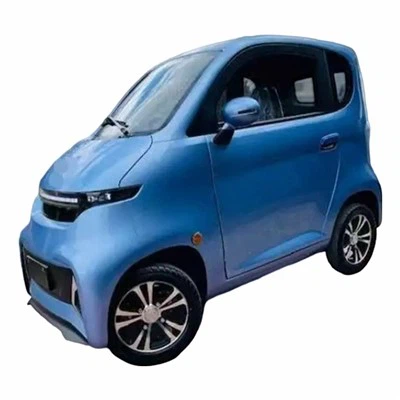
At the end of the day, it’s not just about picking a tire; it’s about picking a tire that works with how you use your side-open pick up. Skimp on load rating, skip the tread durability, or grab a tire that’s too big for the bed, and you’re setting yourself up for headaches. We’ve been supplying these trucks for years, and we’ve tested every tire spec under the sun to figure out what actually holds up in real use, not just on a spec sheet. If you’re ready to talk through what you need, hit us up to get the right side-open pick up paired with the perfect tires for your work.
4 Wheeler Electric Mini Car References
- Rubber Manufacturers Association. (2022). Light Truck Tire Load Rating Guidelines.
- Off-Road Industry Association. (2023). All-Terrain vs. Mud-Terrain Tire Performance Standards.
- National Highway Traffic Safety Administration. (2021). Tire Pressure Maintenance and Vehicle Payload Safety.
Taizhou Xiangyuan New Energy Technology Co., Ltd.
As one of the leading side-open pick up truck manufacturers and suppliers in China, we warmly welcome you to wholesale cheap side-open pick up truck for sale here from our factory. All customized products are with high quality and low price. Contact us for pricelist.
Address: NO.7HUANGJIN ROAD,METAL RESOURCES RECYCLING INDUSTRY BASE, LUQIAO, TAIZHOU, ZHEJIANG
E-mail: order@jiajiev.com
WebSite: https://www.jiajiev.com/
