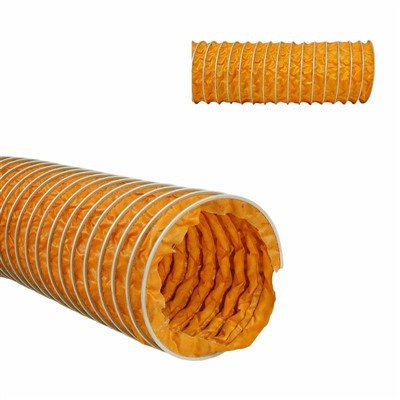
As a supplier specializing in flexible PVC air ducts, I’m often asked about the air – tightness test methods for these essential components in ventilation and air – handling systems. Understanding the air – tightness of flexible PVC air ducts is crucial as it directly impacts the efficiency, performance, and energy consumption of the overall system. Flexible PVC Air Duct
Importance of Air – tightness in Flexible PVC Air Ducts
Flexible PVC air ducts are widely used in various applications, including residential HVAC systems, commercial ventilation, and industrial exhaust systems. An air – tight duct ensures that the air is delivered precisely where it is needed without any leakage. Leaky ducts not only reduce the efficiency of the system by allowing conditioned air to escape but also lead to increased energy costs. Moreover, in industrial settings, air leakage can result in the release of harmful substances into the environment, posing a risk to both workers and the surrounding community. Therefore, conducting regular air – tightness tests is essential to maintain the integrity and functionality of these ducts.
Air – tightness Test Methods
1. Pressure Decay Test
The pressure decay test is a commonly used method for assessing the air – tightness of flexible PVC air ducts. This test is based on the principle that if a duct is air – tight, the pressure inside it will remain relatively constant over a certain period. To perform this test, the first step is to isolate the duct section to be tested. This can be done by closing off both ends of the duct with air – tight caps or plugs.
Next, a pressure source is connected to the duct, typically using a blower or a compressor. The pressure inside the duct is then raised to a predetermined level, usually within the normal operating pressure range of the system. Once the desired pressure is reached, the pressure source is disconnected, and a pressure gauge is used to monitor the pressure decay over time.
The rate of pressure decay is a key indicator of the duct’s air – tightness. If the pressure drops rapidly, it indicates that there are leaks in the duct. The test results are usually compared to industry standards or specifications to determine whether the duct meets the required air – tightness criteria.
One of the advantages of the pressure decay test is its simplicity and relatively low cost. It can be performed on – site without the need for complex equipment. However, it has some limitations. For example, it may be affected by temperature changes during the test, which can cause pressure variations independent of air leakage. Additionally, small leaks may not be accurately detected if the test duration is too short.
2. Tracer Gas Test
The tracer gas test is a more sensitive method for detecting air leaks in flexible PVC air ducts. This method involves introducing a tracer gas, such as helium or sulfur hexafluoride, into the duct system. These gases are chosen because they are non – toxic, non – flammable, and can be easily detected at very low concentrations.
Once the tracer gas is introduced into the duct, a gas detector is used to scan the exterior of the duct for any signs of gas leakage. The detector can measure the concentration of the tracer gas in the surrounding air, and even a small increase in the gas concentration indicates the presence of a leak.
The tracer gas test has several advantages. It can detect very small leaks that may not be detectable by other methods, making it suitable for applications where high – level air – tightness is required. It also provides a qualitative and quantitative assessment of the leaks, allowing for more accurate repair and maintenance.
However, the tracer gas test is more complex and expensive than the pressure decay test. It requires specialized equipment for the introduction and detection of the tracer gas, and proper safety precautions must be taken when handling these gases. Additionally, the test may disrupt the normal operation of the system and may require additional time for preparation and cleanup.
3. Visual Inspection
Although visual inspection is not a direct air – tightness test method, it is an important preliminary step in assessing the condition of flexible PVC air ducts. During a visual inspection, the duct is examined for any obvious signs of damage, such as cracks, holes, or loose connections.
Inspectors should pay particular attention to the joints and seams of the duct, as these are the most common areas for air leakage. Any signs of wear and tear, such as frayed edges or peeling layers, should be noted. If any damage is detected during the visual inspection, the duct should be repaired or replaced before further air – tightness testing is carried out.
Visual inspection is a simple and cost – effective way to identify major issues with the duct. However, it has its limitations. Small leaks or internal damage may not be visible during a visual inspection, and therefore, it should be used in conjunction with other air – tightness test methods for a more comprehensive assessment.
4. Fan Pressurization Test
The fan pressurization test is another method for evaluating the air – tightness of flexible PVC air ducts. In this test, a fan is connected to the duct system, and the fan is used to create a pressure difference between the inside and outside of the duct.
By measuring the airflow rate through the fan and the pressure difference across the duct, the air leakage rate of the duct can be calculated. The test results are then compared to the design requirements or industry standards to determine the air – tightness of the duct.
One of the advantages of the fan pressurization test is that it can simulate the actual operating conditions of the duct system. This allows for a more realistic assessment of the air – tightness under normal use. However, the test requires specialized equipment, including a fan and airflow measuring devices, and it may be affected by the characteristics of the fan used in the test.
Impact of Test Results on Product Quality and Customer Satisfaction
Accurate air – tightness testing is not only important for ensuring the performance of flexible PVC air ducts but also for maintaining product quality and customer satisfaction. When we as a supplier test our products rigorously, we can guarantee that our customers receive high – quality ducts that meet or exceed the required standards.
For customers, air – tight ducts mean lower energy bills, better indoor air quality, and more reliable ventilation systems. By providing air – tight flexible PVC air ducts, we can enhance the overall performance of our customers’ ventilation and air – handling systems, leading to increased customer satisfaction and loyalty.
Conclusion and Call to Action
In conclusion, air – tightness testing of flexible PVC air ducts is a critical process that ensures the efficiency, performance, and safety of ventilation systems. As a supplier, we are committed to using the most advanced and reliable air – tightness test methods to ensure the quality of our products. Whether it’s the pressure decay test, tracer gas test, visual inspection, or fan pressurization test, each method has its own advantages and is used in different scenarios to provide a comprehensive assessment of air – tightness.
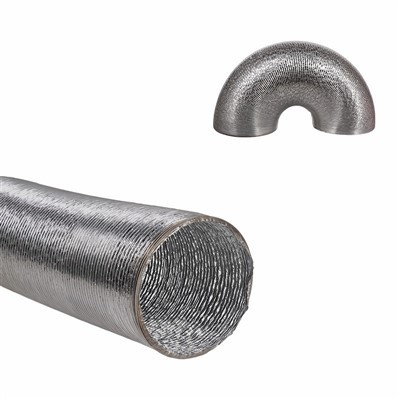
Aluminum Tube If you are in need of high – quality flexible PVC air ducts, we are here to provide you with the best solutions. Our products are rigorously tested to ensure air – tightness, durability, and performance. We invite you to contact us for more information and to discuss your specific requirements. We look forward to the opportunity to work with you and to contribute to the success of your ventilation projects.
References
- ASHRAE Handbook of Fundamentals. American Society of Heating, Refrigerating and Air – Conditioning Engineers Inc.
- International Building Code (IBC). International Code Council.
- NFPA 90A: Standard for the Installation of Air – Conditioning and Ventilating Systems. National Fire Protection Association.
Address: NO.5 CHENGDONG ECOLOGICAL INDUSTRIAL ZONE, DONGYANG, ZHEJIANG, CHINA.
E-mail: sales@hstube.com
WebSite: https://www.ductword.com/
