Hey there! I’m a supplier of Small Hole Expanded Metal, and I often get asked about what tools are needed to cut this stuff. So, I thought I’d write this blog to share some insights on the topic. Small Hole Expanded Metal
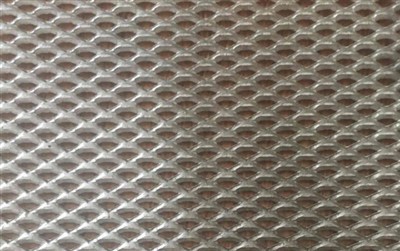
First off, let’s talk a bit about Small Hole Expanded Metal. It’s a super useful material. You can find it in all sorts of places, like industrial settings for filtration, in architectural projects for decorative purposes, and even in some DIY home improvement jobs. It’s made by slitting and stretching a metal sheet, which creates those small holes and a unique pattern. But when it comes to using it, you’ll probably need to cut it to fit your specific needs.
1. Angle Grinders
One of the most common tools for cutting Small Hole Expanded Metal is an angle grinder. I’ve used these things a ton in my work. They’re pretty versatile and can handle different thicknesses of the metal.
An angle grinder works with a cutting disc. You’ve got to choose the right disc for the job. For Small Hole Expanded Metal, a thin, abrasive cutting disc is usually the way to go. These discs are designed to cut through metal quickly and cleanly.
When using an angle grinder, safety is key. You should always wear safety goggles to protect your eyes from flying metal chips. Gloves are also a must to keep your hands safe from the heat and sharp edges. And don’t forget a dust mask, because cutting metal can create a lot of dust.
The great thing about angle grinders is that they’re portable. You can take them to different job sites and cut the metal right where you need it. But they can be a bit noisy, so if you’re working in a residential area or a place where noise is an issue, you might want to consider other options.
2. Tin Snips
Tin snips are another handy tool for cutting Small Hole Expanded Metal, especially if you’re dealing with thinner sheets. They’re like big, heavy – duty scissors.
There are different types of tin snips. Straight – cut tin snips are great for making straight cuts. If you need to make curved cuts, you can use left – hand or right – hand tin snips. These are designed to cut in a specific direction, so you can get nice, smooth curves.
Using tin snips is pretty straightforward. You just open them up, place the metal between the blades, and squeeze. They’re easy to control, which is good if you’re doing some detailed cutting. And they’re quiet compared to an angle grinder, so they’re a good choice for indoor work.
However, tin snips have their limitations. They’re not very effective for cutting thick Small Hole Expanded Metal. If the metal is too thick, it’ll be really hard to cut through, and you might end up damaging the snips.
3. Plasma Cutters
Plasma cutters are a more advanced option for cutting Small Hole Expanded Metal. They use a high – velocity jet of ionized gas (plasma) to cut through the metal.
These cutters are really powerful. They can cut through thick metal sheets with ease, and they can make very precise cuts. You can get really clean edges and sharp corners, which is great if you’re working on a project that requires high precision.
But plasma cutters are a bit more expensive and require more setup. You need to have a power source, a gas supply (usually compressed air or nitrogen), and some knowledge of how to operate them. They’re also a bit more dangerous than angle grinders or tin snips, so you’ve got to be extra careful when using them. You should wear proper protective gear, including a welding helmet with a good filter to protect your eyes from the bright light produced by the plasma.
4. Band Saws
Band saws can also be used to cut Small Hole Expanded Metal. They have a continuous band of toothed metal that rotates around two or more wheels.
The advantage of using a band saw is that it can make long, straight cuts with relative ease. You can set the metal on the saw table and guide it through the blade. This gives you a lot of control over the cut, and you can get a nice, even edge.
Band saws come in different sizes and types. Some are small and portable, while others are large and industrial – grade. If you’re doing a lot of cutting, an industrial – grade band saw might be a good investment. But if you’re just doing occasional small jobs, a portable one will do the trick.
However, band saws can be a bit slow compared to other cutting methods. And you need to make sure the blade is sharp and the right type for cutting metal. Dull blades can cause rough cuts and might even get stuck in the metal.
5. Shears
Shears are similar to tin snips but are usually larger and more powerful. They’re often used in industrial settings for cutting larger sheets of metal.
There are different types of shears, such as guillotine shears and swing – beam shears. Guillotine shears work by using a blade that comes down vertically to cut the metal. Swing – beam shears have a blade that swings down in an arc.
Shears can make quick and clean cuts in Small Hole Expanded Metal. They’re designed to handle thicker sheets than tin snips, so they’re a good option if you’re working with heavier – gauge metal. But they’re not very portable. They’re usually fixed in one place, so you’ll need to bring the metal to the shear.
Choosing the Right Tool
So, how do you choose the right tool for cutting Small Hole Expanded Metal? Well, it depends on a few factors.
The thickness of the metal is a big one. If you’re dealing with thin sheets, tin snips or a small – scale angle grinder might be enough. But for thicker metal, you’ll probably need a plasma cutter, a band saw, or industrial shears.
The type of cut you need to make also matters. If it’s a straight cut, a band saw or shears might be the best choice. For curved cuts, tin snips or a plasma cutter with a good control system could work better.
And of course, your budget and the frequency of use are important considerations. If you’re just doing a one – off project, you might not want to invest in an expensive plasma cutter. But if you’re a professional who cuts Small Hole Expanded Metal regularly, it could be worth it in the long run.

If you’re in the market for Small Hole Expanded Metal or have questions about cutting it, don’t hesitate to reach out. I’ve got a wide range of Small Hole Expanded Metal products, and I’m more than happy to help you figure out the best cutting tools for your specific needs. Whether you’re a DIY enthusiast or a professional contractor, I’m here to support you. Just drop me an inquiry, and we can start a conversation about your project.
Standard Expanded Metal References:
- "Metalworking Handbook" – A comprehensive guide on various metalworking techniques and tools.
- "Industrial Metal Cutting Equipment Manuals" – Manufacturer – provided manuals that offer detailed information on the operation and maintenance of cutting tools.
Anping Yilida Metal Wire Mesh Co., Ltd.
Anping Yilida Metal Wire Mesh Co., Ltd. is one of the most reliable small hole expanded metal manufacturers and suppliers in China, also supports customized service. Please feel free to buy bulk high quality small hole expanded metal made in China here from our factory.
Address: Wire Mesh Development Zone, Anping, Hebei Province, China
E-mail: sales@wiremesh-yg.cn
WebSite: https://www.yilidametal.com/
