As a seasoned supplier of aluminum turned parts, I’ve witnessed firsthand the dynamic interplay between domestic and foreign – made products in the market. Over the years, I’ve engaged with numerous clients, from small – scale manufacturers to large – scale industrial giants, all with a common curiosity: what are the quality differences between domestic and foreign – made aluminum turned parts? Aluminum Turned Parts
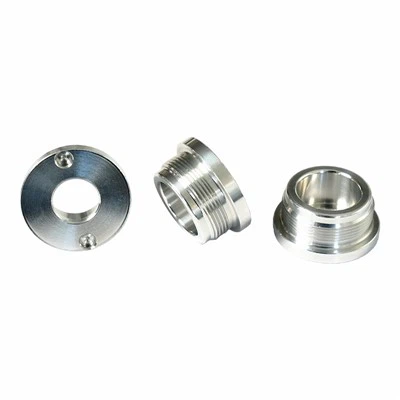
Manufacturing Processes
One of the most significant factors influencing the quality of aluminum turned parts is the manufacturing process. Foreign manufacturers, especially those from countries with a long – standing reputation in precision engineering like Germany and Japan, often adhere to traditional, time – tested manufacturing practices. These processes are typically characterized by a high degree of precision and meticulous attention to detail.
In Germany, for example, the manufacturing process of aluminum turned parts follows strict industry standards. German manufacturers invest heavily in state – of – the – art machinery and equipment, which are calibrated to extremely tight tolerances. The entire production line is often automated, reducing the risk of human error. This results in parts with very high dimensional accuracy, surface finish, and geometric conformity.
On the other hand, domestic manufacturing processes have also evolved rapidly in recent years. Domestic suppliers are increasingly adopting advanced manufacturing technologies, such as high – speed machining and multi – axis machining centers. These technologies allow for faster production cycles and greater flexibility in design. However, some domestic manufacturers may still rely on more labor – intensive processes in certain stages. While this can offer cost – effectiveness, it may also introduce a slightly higher margin of error in terms of uniformity and precision.
Material Selection
The quality of aluminum used in the manufacturing of turned parts is another crucial aspect. Foreign suppliers often have a wider range of high – quality aluminum alloys at their disposal. They have well – established relationships with global material suppliers and can source premium – grade materials with consistent chemical compositions and mechanical properties.
For instance, some foreign manufacturers use aerospace – grade aluminum alloys for their turned parts. These alloys offer excellent strength – to – weight ratios, corrosion resistance, and thermal stability. The strict quality control measures during the material sourcing process ensure that the aluminum used meets the highest industry standards.
Domestic suppliers also have access to a variety of aluminum materials. However, the availability of certain high – end alloys may be limited. Additionally, the quality control of domestic aluminum materials can sometimes vary. Some domestic manufacturers may face challenges in ensuring the consistency of material properties across different batches, which can have an impact on the overall quality of the turned parts.
Quality Control Systems
Quality control is a vital component in determining the quality of aluminum turned parts. Foreign manufacturers typically have more comprehensive and well – established quality control systems. These systems often involve multiple inspection points throughout the entire manufacturing process.
In a Japanese manufacturing facility for aluminum turned parts, for example, raw materials are inspected upon arrival to ensure they meet the required specifications. During the machining process, in – process inspections are carried out regularly to monitor dimensional accuracy, surface finish, and other key parameters. Final inspections are then conducted using advanced metrology equipment, such as coordinate measuring machines (CMMs), to verify that the parts meet the strictest quality standards before they are shipped to customers.
Domestic suppliers are also becoming more aware of the importance of quality control. Many have implemented ISO 9001 or other quality management systems. However, the implementation and enforcement of these systems can vary. Some domestic manufacturers may have limitations in terms of the sophistication of their inspection equipment or the level of training of their quality control personnel. This can result in a less consistent quality of products compared to their foreign counterparts.
Cost – Quality Balance
When it comes to cost, domestic aluminum turned parts generally have a cost advantage. Domestic suppliers can often offer more competitive prices due to lower labor costs, reduced transportation expenses, and a more favorable currency exchange rate in some cases.
However, the relationship between cost and quality is not always straightforward. While foreign – made parts may be more expensive, the higher cost can sometimes be justified by their superior quality and performance. For example, in applications where the reliability and precision of the turned parts are critical, such as in the aerospace or medical device industries, the long – term benefits of using high – quality foreign – made parts may outweigh the initial cost.
Domestic parts, on the other hand, are a great option for applications where cost is a major concern and where a slightly lower level of precision can be tolerated. For example, in some consumer product manufacturing or general industrial applications, domestic aluminum turned parts can provide a cost – effective solution without sacrificing too much on quality.
Environmental and Social Responsibility
Another aspect to consider is environmental and social responsibility. Foreign manufacturers, especially those in countries with strict environmental regulations, often have more sustainable manufacturing practices. They are more likely to invest in energy – efficient equipment, proper waste management systems, and employee welfare programs.
In contrast, some domestic manufacturers may be in the process of catching up in terms of environmental and social responsibility. While many domestic suppliers are making efforts to improve their environmental performance and working conditions, there is still a gap compared to some foreign counterparts.
Conclusion
In conclusion, there are indeed significant quality differences between domestic and foreign – made aluminum turned parts. Foreign – made parts generally excel in terms of precision, material quality, and comprehensive quality control. They also often have more sustainable manufacturing practices. However, domestic parts offer a cost – effective alternative, and the quality of domestic products has been steadily improving over the years.
For customers, the choice between domestic and foreign – made aluminum turned parts should be based on specific application requirements, budget constraints, and long – term goals. Whether you prioritize the highest level of precision and reliability or need a cost – effective solution, I’m here as an aluminum turned parts supplier to help you make an informed decision.
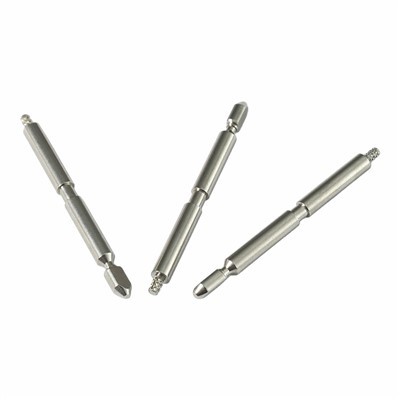
Stainless Steel Turned Parts If you are in the market for aluminum turned parts and want to discuss your specific needs, whether it’s for high – precision foreign – style parts or cost – effective domestic solutions, I invite you to reach out. Let’s have a detailed discussion about your project, and together we can find the best aluminum turned parts that meet your quality, cost, and delivery requirements.
References
- Thompson, J. (2018). Precision Manufacturing in Aluminum: A Global Perspective. Manufacturing Review Journal.
- Okamoto, S. (2019). Advantages of Japanese – Made Aluminum Turned Parts. International Machining Magazine.
- Wang, L. (2020). The Development of Domestic Aluminum Machining Industry. China Industrial Journal.
Huizhou Quanyi Precision Hardware Products Co., Ltd.
We’re well-known as one of the leading aluminum turned parts manufacturers and suppliers in China, featured by quality products and good service. Please rest assured to buy customized aluminum turned parts made in China here from our factory. Contact us for more details.
Address: Building A10, 7th Floor, Zhongchuangyingke 5G Industrial Park, Zhonghan Industrial Park, Tonghu Town, Huizhou City
E-mail: info@qycncturning.com
WebSite: https://www.qycncturning.com/
