Industrial slitting machines play a crucial role in various manufacturing industries, enabling the precise cutting of materials into narrower strips. As a supplier of industrial slitting machines, I have witnessed firsthand the importance of understanding how these machines work. In this blog, I will delve into the intricate process of how an industrial slitting machine cuts materials, exploring the key components, cutting methods, and factors that influence the cutting process. Industrial Slitting Machine
Key Components of an Industrial Slitting Machine
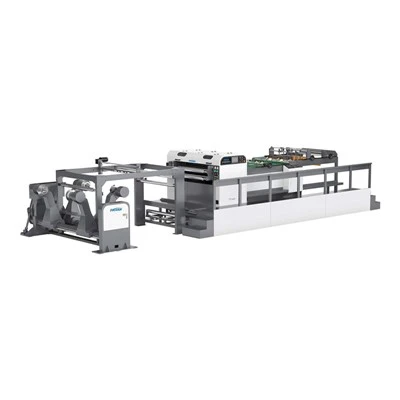
Before we dive into the cutting process, it’s essential to familiarize ourselves with the key components of an industrial slitting machine. These components work together seamlessly to ensure accurate and efficient cutting.
- Unwind Stand: The unwind stand is responsible for holding the large roll of material that will be slit. It provides a stable platform for the material to be fed into the slitting machine.
- Slitting Section: This is the heart of the slitting machine, where the actual cutting takes place. The slitting section typically consists of a set of circular blades or knives that are carefully positioned to make precise cuts.
- Rewind Stand: After the material has been slit, it is wound onto individual cores on the rewind stand. The rewind stand ensures that the slit strips are wound tightly and evenly.
- Control System: The control system of an industrial slitting machine allows the operator to adjust various parameters, such as cutting speed, tension, and blade position. This ensures that the cutting process is optimized for the specific material and application.
Cutting Methods Used in Industrial Slitting Machines
There are several cutting methods used in industrial slitting machines, each with its own advantages and disadvantages. The choice of cutting method depends on factors such as the type of material, the desired cut quality, and the production requirements.
- Shear Cutting: Shear cutting is one of the most common cutting methods used in industrial slitting machines. It involves using two opposing blades to create a shearing action that cuts through the material. Shear cutting is suitable for a wide range of materials, including metals, plastics, and paper.
- Score Cutting: Score cutting, also known as crush cutting, involves using a single blade to make a shallow cut or score on the surface of the material. The material is then broken along the score line to separate the strips. Score cutting is often used for materials that are difficult to cut using shear cutting, such as laminates and films.
- Rotary Cutting: Rotary cutting uses a rotating blade to cut through the material. This method is particularly suitable for cutting materials that are flexible or have a high tensile strength, such as rubber and textiles.
- Laser Cutting: Laser cutting is a non-contact cutting method that uses a high-powered laser beam to cut through the material. It offers precise cutting and is suitable for a wide range of materials, including metals, plastics, and composites. However, laser cutting can be expensive and requires specialized equipment.
The Cutting Process
Now that we have a basic understanding of the key components and cutting methods used in industrial slitting machines, let’s take a closer look at the cutting process itself.
- Material Loading: The first step in the cutting process is to load the large roll of material onto the unwind stand. The material is then threaded through the slitting section, ensuring that it is properly aligned with the cutting blades.
- Blade Adjustment: Once the material is loaded, the operator adjusts the position and spacing of the cutting blades according to the desired width of the slit strips. This is typically done using the control system of the slitting machine.
- Cutting: With the blades properly adjusted, the slitting machine is started, and the material begins to move through the slitting section. As the material passes between the blades, the cutting action takes place, separating the material into narrower strips.
- Tension Control: Throughout the cutting process, it is important to maintain proper tension on the material to ensure a clean and accurate cut. The tension is typically controlled by the unwind and rewind stands, which adjust the speed and torque of the motors to keep the material under constant tension.
- Winding: After the material has been slit, the individual strips are wound onto cores on the rewind stand. The rewind stand ensures that the strips are wound tightly and evenly, preventing any wrinkling or overlapping.
- Quality Control: Once the cutting process is complete, the slit strips are inspected for quality. This may involve measuring the width and thickness of the strips, checking for any defects or irregularities, and ensuring that the edges are clean and smooth.
Factors Influencing the Cutting Process
Several factors can influence the cutting process and the quality of the slit strips. As a supplier of industrial slitting machines, it’s important to consider these factors when selecting a machine and setting up the cutting process.
- Material Properties: The properties of the material being cut, such as its thickness, hardness, and flexibility, can have a significant impact on the cutting process. Different materials may require different cutting methods and blade configurations to achieve the best results.
- Cutting Speed: The cutting speed of the slitting machine can affect the quality of the cut and the productivity of the process. Higher cutting speeds can increase productivity, but they may also result in a rougher cut and more wear on the blades.
- Blade Quality: The quality of the cutting blades is crucial for achieving a clean and accurate cut. High-quality blades are made from durable materials and are designed to maintain their sharpness over time.
- Tension Control: Proper tension control is essential for ensuring a smooth and consistent cut. If the tension is too high, the material may stretch or break, while if the tension is too low, the material may wrinkle or bunch up.
- Maintenance: Regular maintenance of the slitting machine is important to ensure its optimal performance. This includes cleaning the machine, lubricating the moving parts, and replacing worn or damaged blades.
Conclusion

In conclusion, an industrial slitting machine is a complex piece of equipment that plays a vital role in various manufacturing industries. By understanding the key components, cutting methods, and factors that influence the cutting process, you can make informed decisions when selecting a slitting machine and setting up the cutting process.
Industrial Slitting Machine As a supplier of industrial slitting machines, we are committed to providing our customers with high-quality machines and excellent customer service. Our machines are designed to meet the specific needs of our customers and are built to last. If you are interested in learning more about our industrial slitting machines or would like to discuss your specific requirements, please contact us. We look forward to hearing from you and helping you find the perfect slitting solution for your business.
References
- "Industrial Slitting Machine Handbook" by [Author Name]
- "Cutting Techniques in Manufacturing" by [Author Name]
- "Materials Processing and Manufacturing Technology" by [Author Name]
Honghui Machinery Equipment Co., Ltd.
As one of the most professional industrial slitting machine manufacturers in China, we have world-leading production equipment and strong manufacturing capabilities. Please rest assured to buy advanced industrial slitting machine made in China here from our factory. We also accept customized orders.
Address: No. 28, Liuheng Road, Changping Town, Dongguan City, Guangdong Province, China
E-mail: Steve@cnhohui.com
WebSite: https://www.cnhohui.com/
