Hey there! I’m a supplier of U-PVC fittings, and I’ve been in this business for quite a while. One of the most common questions I get from customers is how to ensure the tight connection of U-PVC fittings. Well, I’m here to share some tips and tricks based on my experience. U-PVC Fittings
Understanding U-PVC Fittings
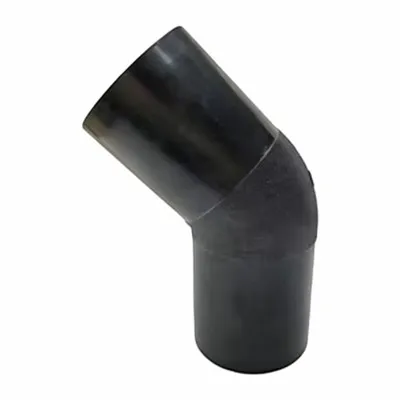
First things first, let’s understand what U-PVC fittings are. U-PVC stands for unplasticized polyvinyl chloride. It’s a type of plastic that’s widely used in plumbing and construction because it’s durable, corrosion-resistant, and relatively inexpensive. U-PVC fittings come in various shapes and sizes, such as elbows, tees, couplings, and adapters, and they’re used to connect U-PVC pipes together to form a plumbing system.
Preparing the Pipes and Fittings
Before you start connecting the U-PVC fittings, you need to make sure the pipes and fittings are clean and dry. Any dirt, grease, or moisture on the surfaces can prevent the solvent cement from bonding properly, which can lead to leaks. So, use a clean cloth to wipe the ends of the pipes and the inside of the fittings to remove any debris.
It’s also important to measure and cut the pipes to the right length. You can use a PVC pipe cutter for this, which makes a clean and accurate cut. After cutting the pipes, use a deburring tool to remove any rough edges or burrs from the cut ends. This will ensure a smooth connection and prevent damage to the O-rings or gaskets in the fittings.
Choosing the Right Solvent Cement
Solvent cement is the key to ensuring a tight connection between U-PVC pipes and fittings. It works by dissolving the outer layer of the PVC material and fusing the pipes and fittings together at a molecular level. When choosing a solvent cement, make sure it’s specifically designed for U-PVC pipes and fittings. Different types of PVC pipes require different types of solvent cement, so using the wrong one can result in a weak or leaky connection.
There are also different grades of solvent cement available, depending on the application. For general plumbing purposes, a medium-bodied solvent cement is usually sufficient. However, for high-pressure applications or underground installations, you may need to use a heavy-bodied solvent cement for a stronger and more durable connection.
Applying the Solvent Cement
Applying the solvent cement correctly is crucial for a tight and leak-free connection. Here’s how you do it:
Step 1: Prime the Surfaces
Most solvent cement kits come with a primer, which helps to clean and soften the PVC surfaces, making it easier for the solvent cement to bond. Apply a thin, even coat of primer to the outside of the pipe end and the inside of the fitting using a primer brush. Make sure to cover the entire surface area that will be in contact with the solvent cement. Let the primer dry for a few seconds until it becomes tacky.
Step 2: Apply the Solvent Cement
Once the primer is dry, apply a generous coat of solvent cement to the primed surfaces using a solvent cement brush. Start at the end of the pipe and work your way towards the fitting, spreading the cement evenly and making sure to cover the entire surface. Do the same for the inside of the fitting.
Step 3: Insert the Pipe into the Fitting
Quickly insert the pipe into the fitting, making sure it goes in all the way. You may need to twist the pipe slightly to ensure a full and even distribution of the solvent cement. Hold the pipe in place for a few seconds to allow the solvent cement to set.
Using O-Rings and Gaskets
In addition to solvent cement, some U-PVC fittings also use O-rings or gaskets to provide a tight seal. O-rings are circular rubber seals that are placed in a groove around the pipe or fitting. When the pipe is inserted into the fitting, the O-ring is compressed, creating a watertight seal.
Gaskets are similar to O-rings, but they’re usually made of a different material, such as rubber or silicone, and they’re used in larger fittings or joints. Gaskets are placed between the two mating surfaces of the pipe and fitting and are compressed when the fitting is tightened, providing a seal.
When using O-rings or gaskets, make sure they’re clean and in good condition. Any damage or wear to the O-ring or gasket can result in a leak. Also, make sure to lubricate the O-ring or gasket with a suitable lubricant before installation to make it easier to insert the pipe and to prevent damage to the seal.
Tightening the Fittings
If you’re using threaded U-PVC fittings, it’s important to tighten them properly to ensure a tight connection. However, be careful not to over-tighten the fittings, as this can damage the threads and cause leaks. Use a pipe wrench or a socket wrench to tighten the fittings, but don’t use excessive force.
For a more accurate and reliable tightening, you can use a torque wrench to measure the amount of torque applied to the fitting. The recommended torque values for U-PVC fittings can usually be found in the manufacturer’s installation instructions.
Testing the Connection
After connecting the U-PVC fittings, it’s important to test the connection to make sure it’s tight and leak-free. You can do this by pressurizing the plumbing system with water or air. If you’re using water, turn on the water supply and let the system fill up. Check all the connections for leaks by looking for any droplets of water or moisture. If you’re using air, use a pressure tester to pressurize the system to the recommended pressure and check for any changes in pressure over time.
If you find any leaks, you may need to reapply the solvent cement or replace the O-ring or gasket. Make sure to clean the surfaces thoroughly before reapplying the solvent cement or installing a new O-ring or gasket.
Maintenance and Inspection
Once the U-PVC fittings are installed and tested, it’s important to perform regular maintenance and inspection to ensure the continued tightness of the connections. Check the fittings periodically for any signs of wear, damage, or leaks. If you notice any issues, address them immediately to prevent further damage to the plumbing system.
You should also avoid exposing the U-PVC fittings to extreme temperatures, chemicals, or physical stress, as these can cause the fittings to crack or break. If you need to make any changes or repairs to the plumbing system, make sure to follow the manufacturer’s instructions carefully to ensure a proper and tight connection.
Conclusion
Ensuring the tight connection of U-PVC fittings is essential for a reliable and leak-free plumbing system. By following these tips and tricks, you can make sure that your U-PVC fittings are installed correctly and that they will last for a long time.
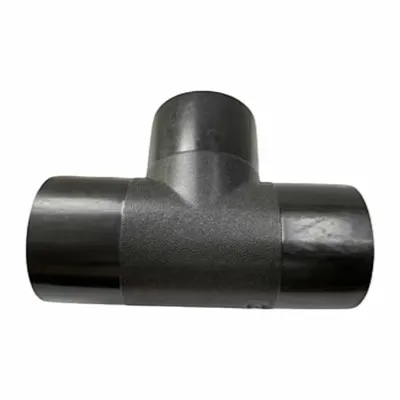
If you’re in the market for high-quality U-PVC fittings, I’d love to talk to you. We offer a wide range of U-PVC fittings in different sizes and shapes to meet your specific needs. Whether you’re a DIY enthusiast or a professional plumber, we’ve got the products and expertise to help you with your plumbing project.
ASTM IPS Inch Butt Fusion Fittings Feel free to reach out if you have any questions or if you’re interested in purchasing our U-PVC fittings. We’re here to provide you with the best products and services at competitive prices. Let’s work together to ensure your plumbing system is in top-notch condition!
References
- "PVC Pipe and Fittings Installation Guide." Pipe Fittings Manufacturer Association.
- "U-PVC Plumbing Systems: Design and Installation Manual." Plumbing Institute of America.
- Personal experience as a U-PVC fittings supplier.
Qingdao Polyfusion Machinery Co., Ltd.
As one of the most professional U-PVC fittings manufacturers and suppliers in China, we have world-leading production equipment and strong manufacturing capabilities. Please feel free to buy bulk high quality U-PVC fittings from our factory.
Address: Chengyang Industry Zone, Chengyang, Qingdao, Shandong, China
E-mail: export01@qdpolyfusion.com
WebSite: https://www.polyfusionfittings.com/
